
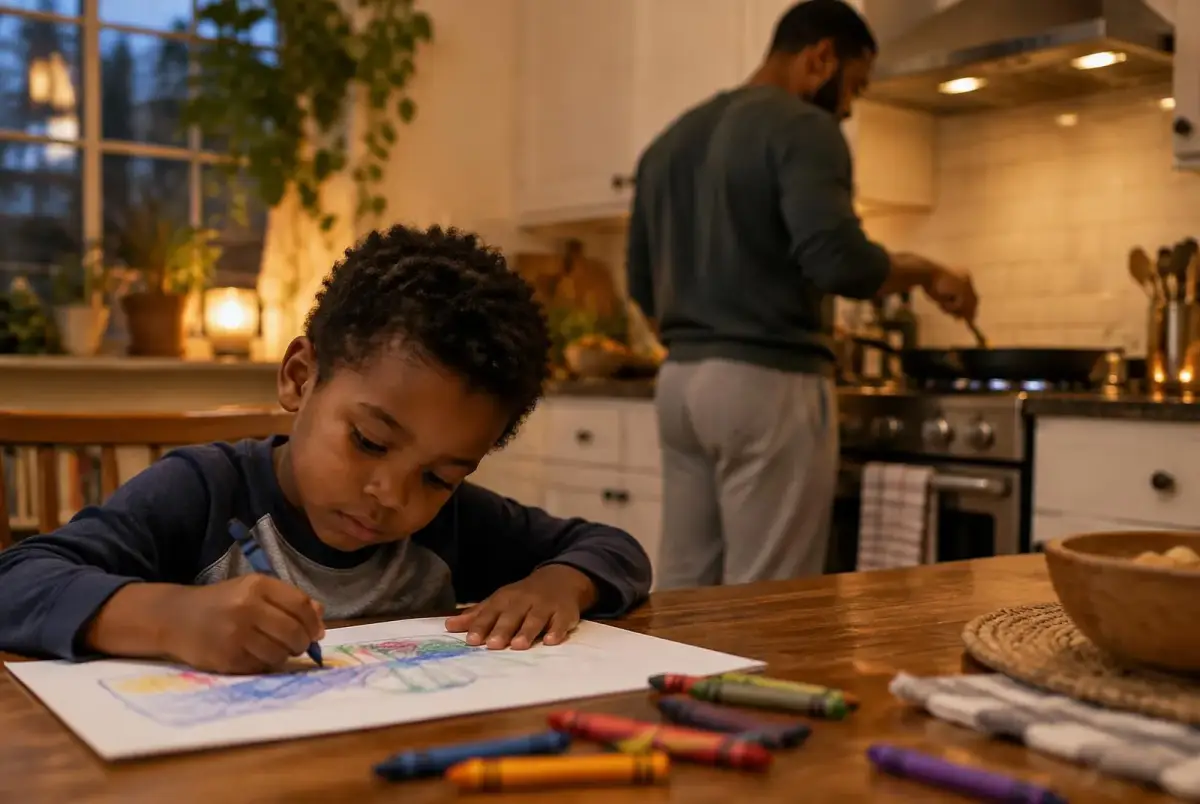
Kids Caught in the Middle
Loyalty conflicts, anxiety, resistance to parenting time.
Children deserve the freedom to love both parents without feeling caught in the middle of adult conflict.
Most parents who put kids in the middle don't intend to. They're doing their best under stress, hurt, logistics, and communication breakdowns. But children feel the tension long before adults notice it.
5 Ways Coparents Put Kids in the Middle
Using kids as messengers
Adult communication belongs between adults. Tell your child, "I'll handle it."Asking kids to report on the other parent
Ask, "What was your favorite part of the weekend?"Venting adult frustration to the child
Children deserve two emotionally safe homes.Making kids responsible for a parents' feelings
Replace guilt with steadiness: "I'll miss you, and I'm okay."Asking kids to choose sides
Children need adults to make adult decisions.
Protecting a Child's Peace
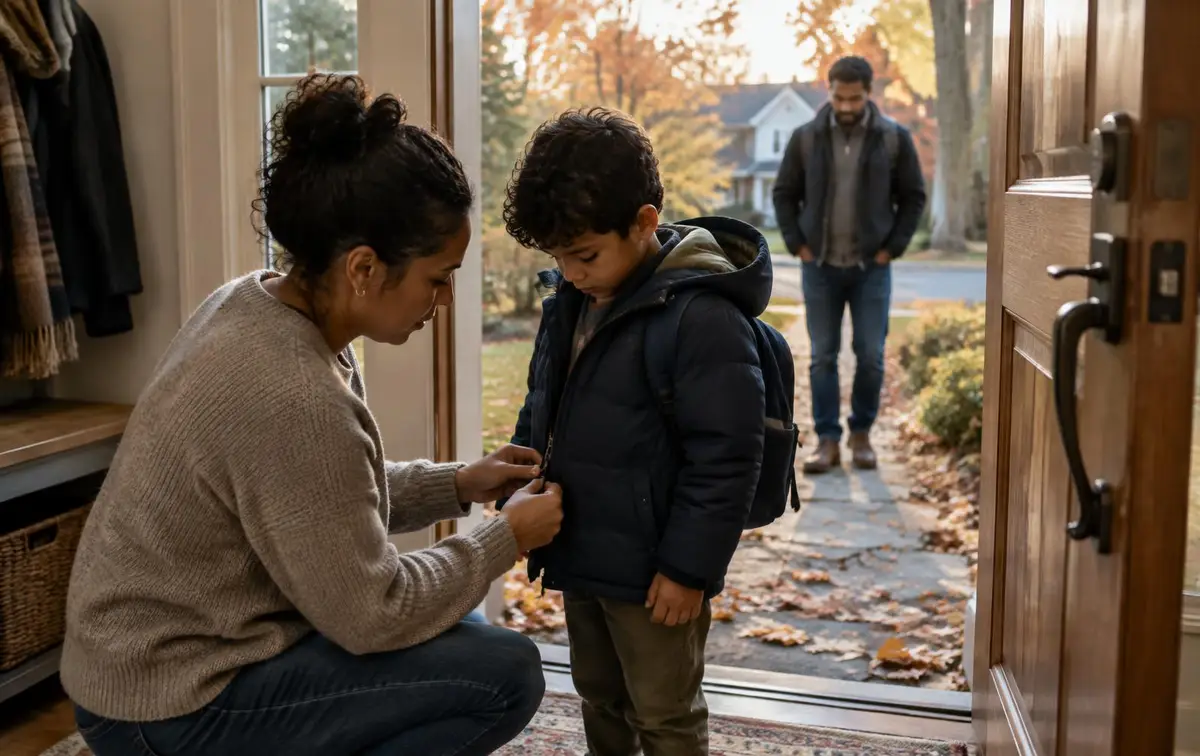
Adult communication belongs between adults.
If you catch yourself starting with "Tell your dad" or "Ask your mom," pause and send the message adult-to-adult.
Neither role belongs to a child.
Vent to a friend, coach, therapist, or journal, then come back to your child with something simple and safe: "I'm having a hard moment, but it's not your job to fix it. I've got it."
Does this protect my child's peace?
When parents begin asking themselves that simple question, they start to shift from reacting to co-parent conflict toward safeguarding childhood.
Awareness creates opportunity.
We look at the moments where communication travels through your child, and move it back adult-to-adult. You leave with words for the hard moments and agreements that keep your child out of the role of messenger, mediator, or information source.
FAQ
What does putting kids in the middle mean?
It's when a child is placed in the role of messenger, mediator, emotional support, or information source between parents.
Is asking my child about the other parent always harmful?
Not always. Child-centered questions about their experience are healthy. If you need adult information, ask the other parent directly.
What if my child brings messages from the other parent?
Thank your child: "Thanks for telling me, I've got it from here!" Then follow up adult-to-adult.